Tour Hotels and Rooming Lists: How to Book and Manage Them
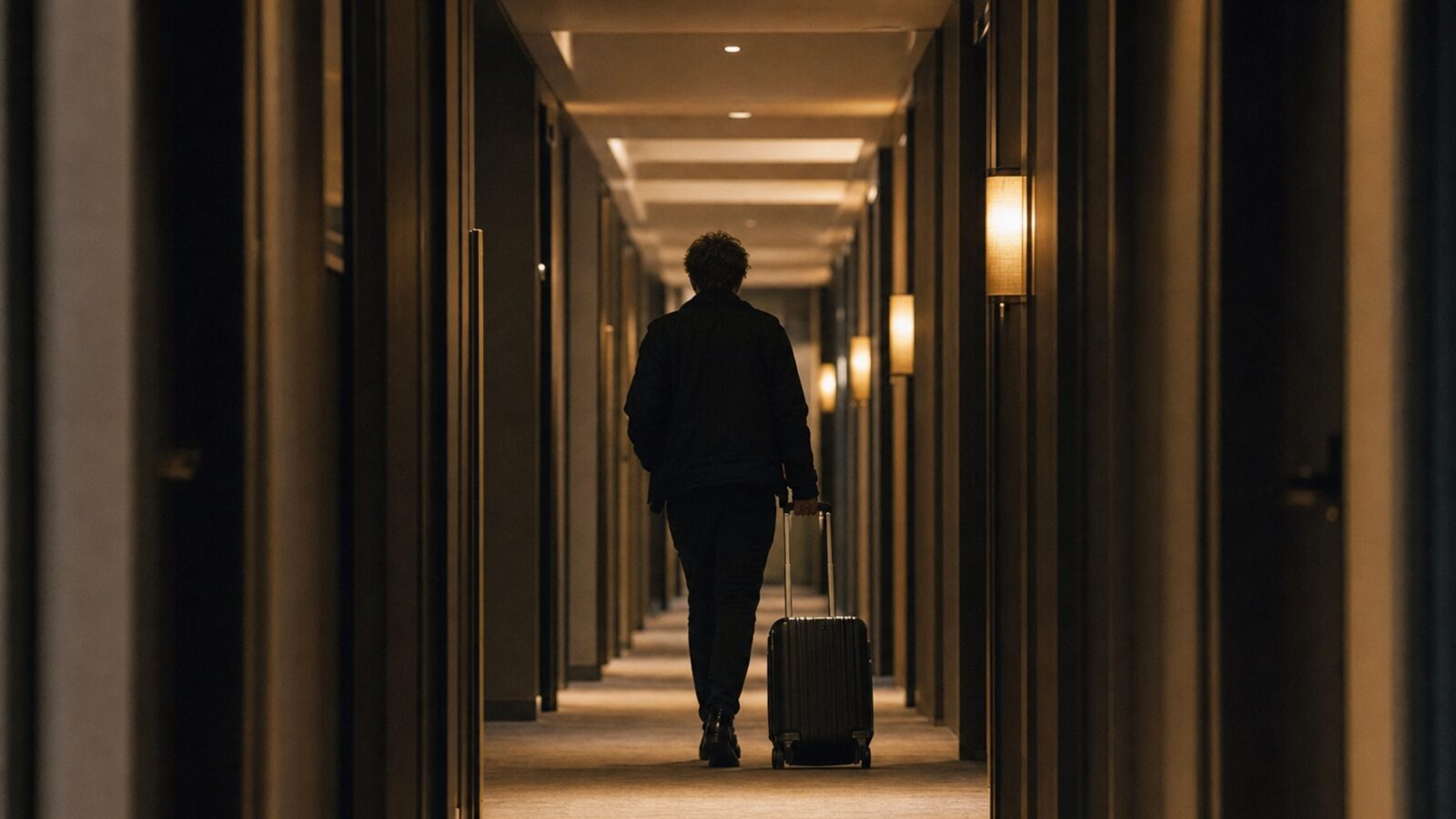
A rooming list is the document you send a hotel that says who is staying in which room, what kind of room it is, and which nights each person is there. For a touring party, it's the tool that turns "we need fifteen rooms on Thursday" into keys in envelopes waiting at the front desk, with the right names, the right beds and the right person paying. Get it right and check-in takes minutes; get it wrong and a tired crew stands in a lobby at 2 a.m. while the night clerk tries to work it out.
This guide walks through how tour hotels are usually booked, what goes on a good rooming list, and the habits that keep hotel days quiet.
How tour hotel booking usually works
Most tours book hotels in one of three ways, and many use a mix:
- Directly with the hotel, usually through the sales or group reservations team rather than the main booking line.
- Through a travel agent who specializes in music and entertainment travel and can hold rooms across a whole routing.
- Through the promoter, when hotels are part of the deal. In that case, you still send the rooming list, but the promoter's contact may be the one who confirms it.
When you book several rooms for the same nights, the hotel will often set up a room block: a group of rooms held at an agreed rate until a set date. The terms vary a lot between hotels and contracts, so read them. Things to look for:
- Cut-off date. The date after which unclaimed rooms in the block go back to general sale.
- Attrition. Some group contracts charge you if you use fewer rooms than you committed to. Not every hotel uses it, and the terms differ.
- Cancellation terms. When you can cancel rooms without penalty, and what happens if a show is cancelled.
- Deposit and payment. Whether they want a card on file, a deposit, or a direct bill arrangement.
Hotel choices start with the routing. Where the bus parks, how far the venue is, and when you'll actually arrive all depend on the travel plan, which is covered in routing tours and planning travel days. Hotel costs are usually one of the biggest lines in a tour budget, so it's worth working them out early; see how to build a tour budget.
What to put on a rooming list
A rooming list should answer every question the front desk might have without anyone needing to call you. A solid one includes:
| Field | Why it matters |
|---|---|
| Guest name (as booked) | Must match the ID or the alias you agreed with the hotel |
| Role or department | Helps you and the hotel sort out problems quickly |
| Room type | King, two queens, suite, accessible room, and so on |
| Sharing with | Who is in the room together, if anyone |
| Check-in and check-out dates | Per person, since not everyone arrives on the same day |
| Billing | Master account (room and tax) or guest pays |
| Special requests | Quiet floor, early check-in, late check-out, cot, adjoining rooms |
| Notes | Alias flag, "do not disturb," "no calls put through," accessibility needs |
Two terms that come up all the time:
- Room and tax: the nightly rate plus the hotel's taxes on it. Tours typically cover this centrally, on a master account the hotel bills to the tour or the production company.
- Incidentals: anything else charged to a room, like minibar, room service, parking, laundry or damage. Most tours make each guest responsible for their own incidentals, so the hotel will usually ask for a card from each guest at check-in.
Spell out on the list which charges go to the master account and which don't. If you leave it vague, the master bill at checkout will tell you how the hotel read it.
Room types and sharing
Who gets a single and who shares is a budget decision and a morale decision. On smaller tours, crew often share twin rooms. On bigger tours, singles are more common, especially for the people with the longest days. Whatever the policy is, decide it before the tour and apply it consistently. Reshuffling rooms night by night causes more resentment than the rooms themselves.
Note any accessibility needs plainly on the list and confirm them with the hotel directly. Don't assume a hotel's "accessible room" matches what your guest needs. Ask what it includes.
Privacy, aliases and the rooming list
A rooming list is a sensitive document. It ties names to room numbers and dates, and on a tour that includes well-known artists, that information can travel fast.
Good practice looks like this:
- Use aliases for artists and anyone else who wants one. Agree the alias with the guest, book under it, and flag the room as private so the front desk won't confirm the guest is staying there or put calls through.
- Keep the real-name-to-alias key to a small group, usually the tour manager and maybe the assistant TM or security.
- Share the full list only with people who need it. Crew need to know their own room and where to meet, not where everyone sleeps.
- Don't print room numbers on anything public. That includes the day sheet, the one-page schedule for the day, if it gets taped up backstage. Put the hotel name, address and lobby call (the time everyone meets in the lobby to leave) on the day sheet; hand room numbers out in person or in key packets.
Passport numbers and dates of birth sometimes get requested by hotels, especially outside your home country. Send that information only where it's actually required, through the hotel's official channel, and don't let it end up on copies of the rooming list that circulate around the tour.
Check-in: making arrival smooth
The goal is that the touring party walks in, picks up an envelope and goes to bed. That takes some advance work:
- Confirm the arrival time with the hotel the day before, especially if you're arriving late at night or very early in the morning.
- Ask for keys to be pre-made and put in envelopes labeled with each guest's name (or alias), plus their room number and any Wi-Fi details.
- Request early check-in if you're arriving in the morning after a drive or overnight flight. Hotels can rarely guarantee it unless you pay for the previous night, so decide whether that's worth the cost.
- Have one person handle the desk. The TM or assistant TM collects the envelopes and hands them out in the lobby. Fifteen people queuing individually at one desk is how you lose an hour.
- Settle the incidentals question at the desk. If each guest needs to leave a card, tell everyone ahead of time so it doesn't come as a surprise.
Then put the important details where people will see them: lobby call time, bus call, distance to the venue, and checkout time.
Checkout and the master bill
Before you leave, go through the master bill line by line. Check that the number of rooms and nights matches the rooming list, that room and tax is the only thing on the master unless you approved more, and that no-shows or late cancellations were handled the way your contract says. It's much easier to fix a mistake standing at the desk than three weeks later over email.
Day rooms, bus tours and buyouts
Not every tour sleeps in hotels every night. Bus tours often sleep on the bus while driving overnight, but still need somewhere to shower and reset. That's where day rooms come in: hotel rooms booked for use during the day rather than overnight. Some hotels offer them at a set rate; others will only sell a full night. Ask, and confirm the hours in writing.
A few other situations to plan for:
- Shower rooms at the venue. Some venues have good showers backstage, which can reduce how many day rooms you need. Confirm it while advancing the show.
- Hotel buyouts. Some deals give the artist a cash amount to cover lodging instead of the promoter providing rooms. In that case, booking and paying is on you.
- Drivers' rooms. Bus and truck drivers usually need proper rest during the day after driving overnight. Their rooms are a safety issue, not a perk. Make sure they're booked, quiet and available when the driver arrives.
- Split parties. On fly dates, or when part of the crew travels ahead, different people arrive on different days. Track check-in dates per person, not per tour.
Changes, no-shows and keeping the list current
The rooming list you send three weeks out will almost never match who actually turns up. Crew get swapped, a guest gets added, someone flies home for a family emergency. Each change needs to reach the hotel.
Habits that help:
- Keep one master version of the rooming list for each hotel and update it rather than starting new files.
- Mark every change clearly, for example "UPDATED: added 1 room, nights 3–4," so the hotel's reservations team can see what's different.
- Send changes in writing to the same contact each time and ask for a confirmation.
- Cancel unneeded rooms as early as possible so they fall inside the free-cancellation window.
- Reconcile after each stay. Compare the final bill to your final list and note anything to dispute.
Hotels themselves change too: a sold-out city might push you farther out than planned, or a show added to the routing creates a new hotel night. Keeping hotel details tied to the same itinerary everyone else is looking at saves a lot of confusion. Tools like Conductour keep lodging, the itinerary and day sheets in one place, so a hotel change shows up for the people it affects.
A simple hotel checklist
For each hotel stay, before you arrive:
- Booking confirmation received, with rate, cut-off date and cancellation terms
- Rooming list sent, with aliases, room types, sharing and dates per person
- Billing clear: master account for room and tax, guests for incidentals
- Arrival time confirmed; early check-in or day rooms requested if needed
- Key packets requested
- Parking confirmed for the bus, truck or vans, including height and length if relevant
- Lobby call and hotel address on the day sheet, room numbers kept off it
After checkout:
- Master bill checked against the final rooming list
- Disputes raised with the hotel in writing
- Final costs recorded against the budget
It's not glamorous work, but a hotel that's ready for you at the end of a long travel day makes everything that follows easier.
Frequently asked questions
What is a rooming list? +
A rooming list is the document you send a hotel that says exactly who is staying in which room, what type of room it is, and which nights they're staying. For tours it usually also notes who pays for what, any special requests, and the name each guest is booked under. The hotel uses it to assign rooms and prepare keys before the party arrives.
When should I send a rooming list to the hotel? +
Send it before the hotel's cut-off date for the room block, and send a confirmed final version a few days before arrival. Every hotel and contract is different, so check the deadline in your booking confirmation. Any change after that should go to the hotel in writing as soon as you know about it.
What is the difference between room and tax and incidentals? +
Room and tax is the nightly room rate plus the taxes the hotel charges on it, which tours usually pay centrally on a master account. Incidentals are everything else charged to the room, such as minibar, room service, parking or laundry. Most tours make each guest responsible for their own incidentals, usually by leaving a card at check-in.
Why do artists check in under a different name? +
Many artists stay under an alias so fans, press and callers can't find their room by asking the front desk. The rooming list shows the alias, and the tour manager tells the hotel that the room is private. Only a small group of people on the tour should know the real-name-to-alias mapping.
What is a day room on tour? +
A day room is a hotel room booked for use during the day rather than overnight, often so a bus tour can shower and rest between an overnight drive and the show. Hotels price and handle day rooms differently, so ask directly and confirm the hours in writing.
Run your next tour on Conductour
Itineraries, show cues, travel, and crew — one timeline the whole team can trust.
Start for free