Advancing a Show: The Checklist That Saves Your Tour
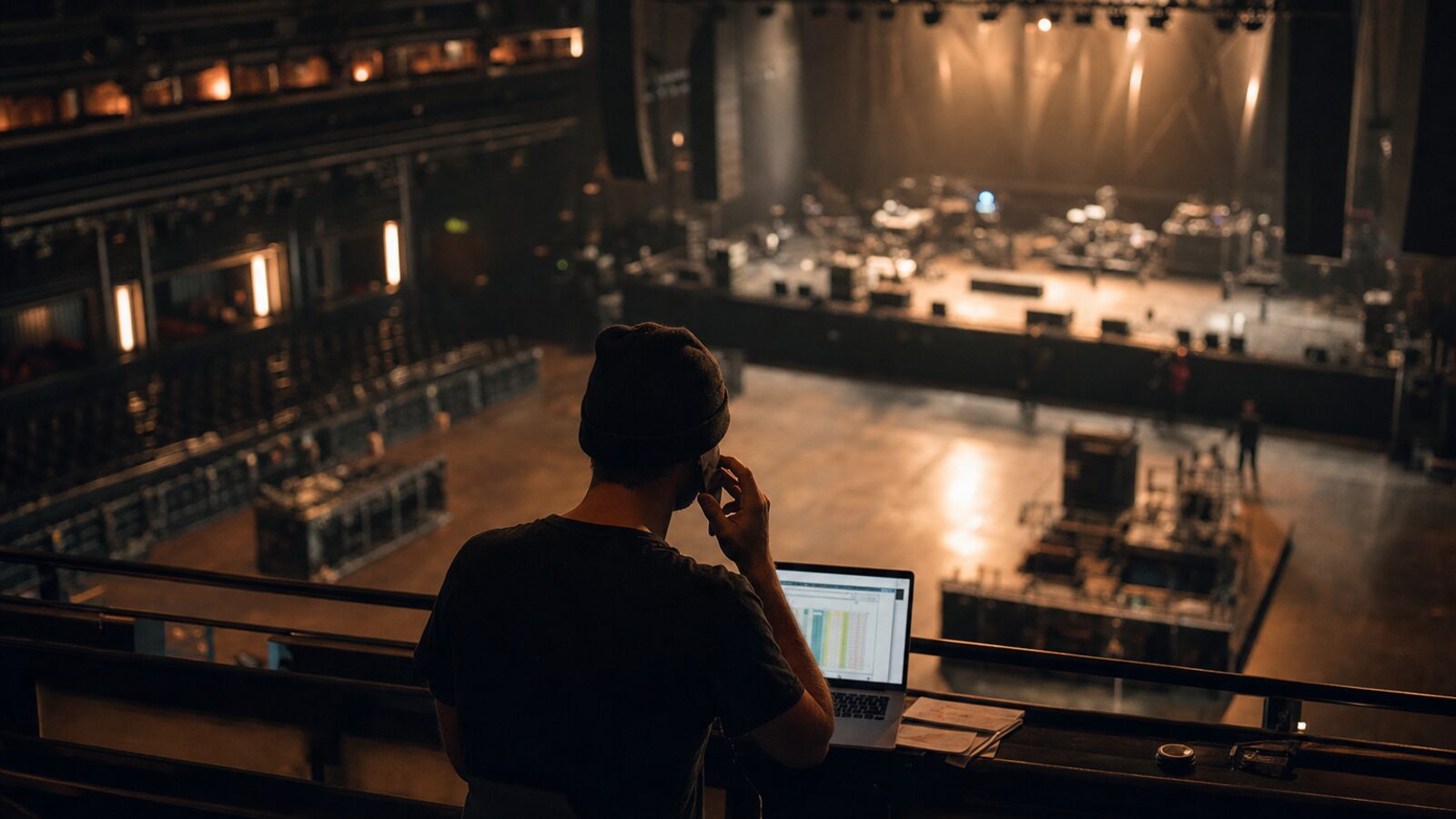
Advancing a show means contacting the venue and promoter before you arrive to confirm every practical detail: the schedule, power, loading access, local crew, curfew, hospitality, parking and contacts. It's usually done by the tour manager and production manager in the weeks before the show, then reconfirmed a day or two out. A good advance is the difference between a smooth show day and one spent solving problems you could have known about.
It's the unglamorous half of touring: emails, calls, spec sheets and follow-ups. It's also where most show-day problems are either caught or missed.
Why advancing matters
Every venue is different. Loading docks, power services, ceiling heights, stage dimensions, curfews, union rules, catering arrangements and parking all vary, sometimes a lot. The touring party arrives with a production designed in a rehearsal space and a schedule built on assumptions. The advance is where you test those assumptions against reality.
What you're trying to avoid:
- A truck that doesn't fit the dock, or a bus with nowhere to park
- Not enough power for the lighting rig
- A local crew called for the wrong time, or too few people
- A curfew nobody mentioned until doors
- Riders that never reached the person who has to fulfill them
Everything you confirm in the advance also feeds the day sheet, the daily schedule the touring party works from. If the advance is wrong, the day sheet is wrong. (See what is a day sheet for how that document comes together.)
Who advances the show
On most tours, advancing is split between two people:
- The production manager (or on smaller tours, the FOH, or front-of-house, engineer or a technical lead) advances the technical side: power, rigging, stage, audio, lighting, local crew, loading access.
- The tour manager advances the schedule and people side: set times, hospitality, dressing rooms, guest list, hotels, ground transport, merch and settlement.
On the venue side, you'll usually be talking to the promoter rep and the venue production manager. Get both contacts early, along with the person who'll actually be on site on the day, because that's not always the same person.
When to advance
There's no fixed rule, but a common rhythm is to start a few weeks out and work in stages. Larger productions often start earlier, because rigging plans, power and crew calls take time to sort out.
| When | Focus |
|---|---|
| A few weeks out | Send your advance sheet, technical rider and stage plot. Get the venue's tech pack. Flag anything that doesn't fit. |
| One to two weeks out | Confirm schedule, crew calls, curfew, parking, hospitality and guest list process. Resolve open technical questions. |
| A day or two before | Reconfirm the key times and contacts. Check nothing has changed on the venue side. |
| Day of | Meet the venue contacts, walk the space, adjust the day sheet if needed. |
The reconfirmation step is easy to skip and often the most valuable. The person who promised you dock access early in the morning may be off that week and never passed it on. A short email the day before can save hours on the day.
The show advance checklist
The exact list depends on the size and type of show. Use this as a starting point and cut what doesn't apply.
Contacts
- Promoter rep: name, mobile, email
- Venue production manager and the on-site contact for the day
- Box office or ticketing contact
- Hospitality or catering contact
- Local runner, if there is one
- Security lead
Schedule
- Load-in time, and when the venue opens to you
- Soundcheck times for each act
- Doors time
- Set times and set lengths for every act, including changeovers
- Curfew: the time the show must end. Ask whether it's hard (enforced, with penalties) or soft, who enforces it, and what happens if you go over.
- Load-out deadline and any noise restrictions after the show
For a refresher on how these times relate to each other, see show call times explained.
Loading and parking
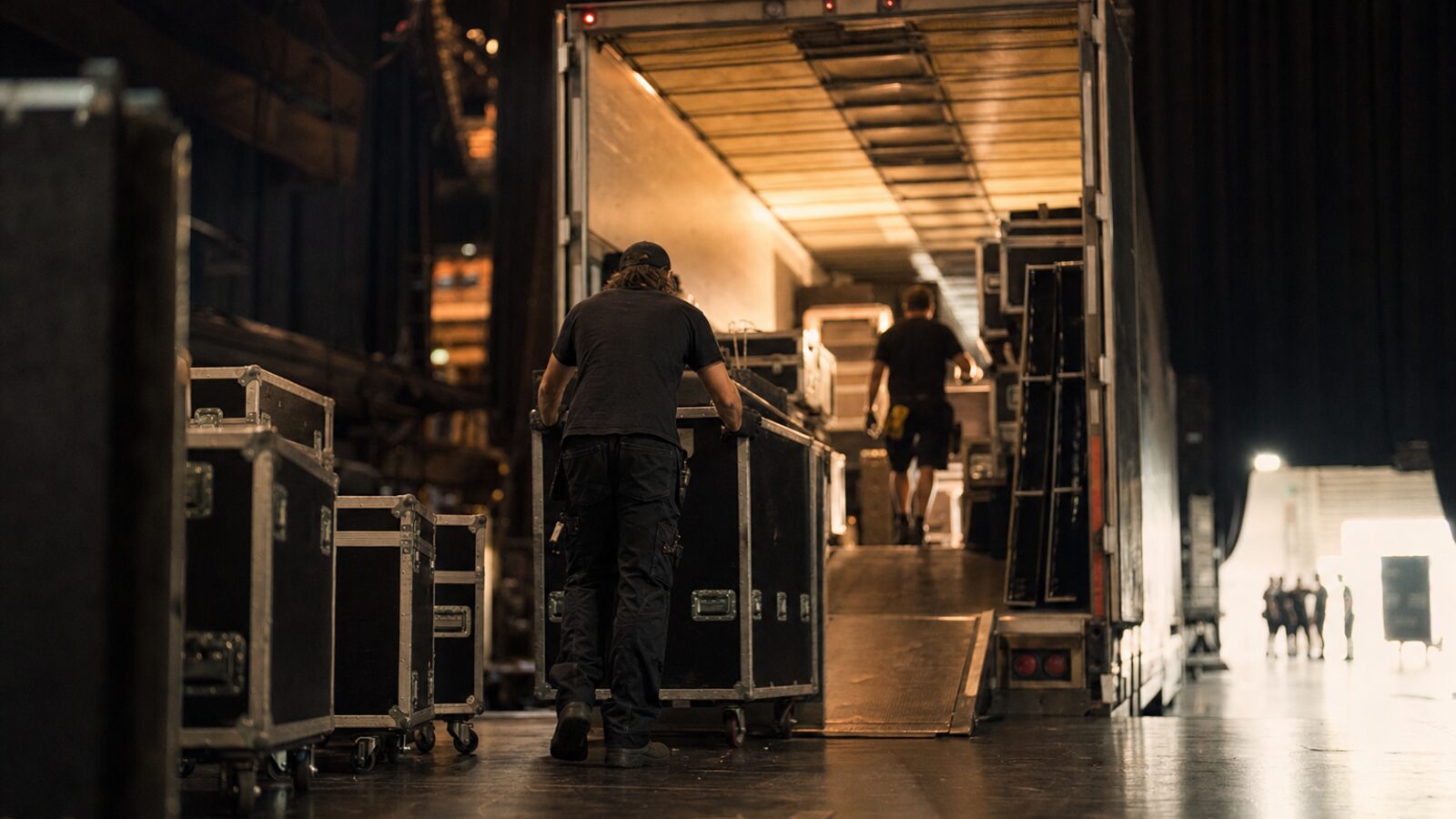
- Loading dock location and address, if different from the venue's front entrance
- Dock height, how many trucks it can take at once, and whether there's a ramp or lift
- Distance and route from the dock to the stage ("the push"), including stairs, tight corners and elevators
- Truck and bus parking: where, from when, and whether there's shore power (a mains hookup for the bus)
- Parking for the artist vehicles, crew cars and any vans
- Permits needed for street parking or loading
Power
- Available power services: size, type and location
- Distance from the power tie-in to the stage, FOH and lighting positions
- Whether audio and lighting can run on separate services
- Who on the venue side is qualified to make the connection
Stage and rigging
- Stage dimensions, height and load rating
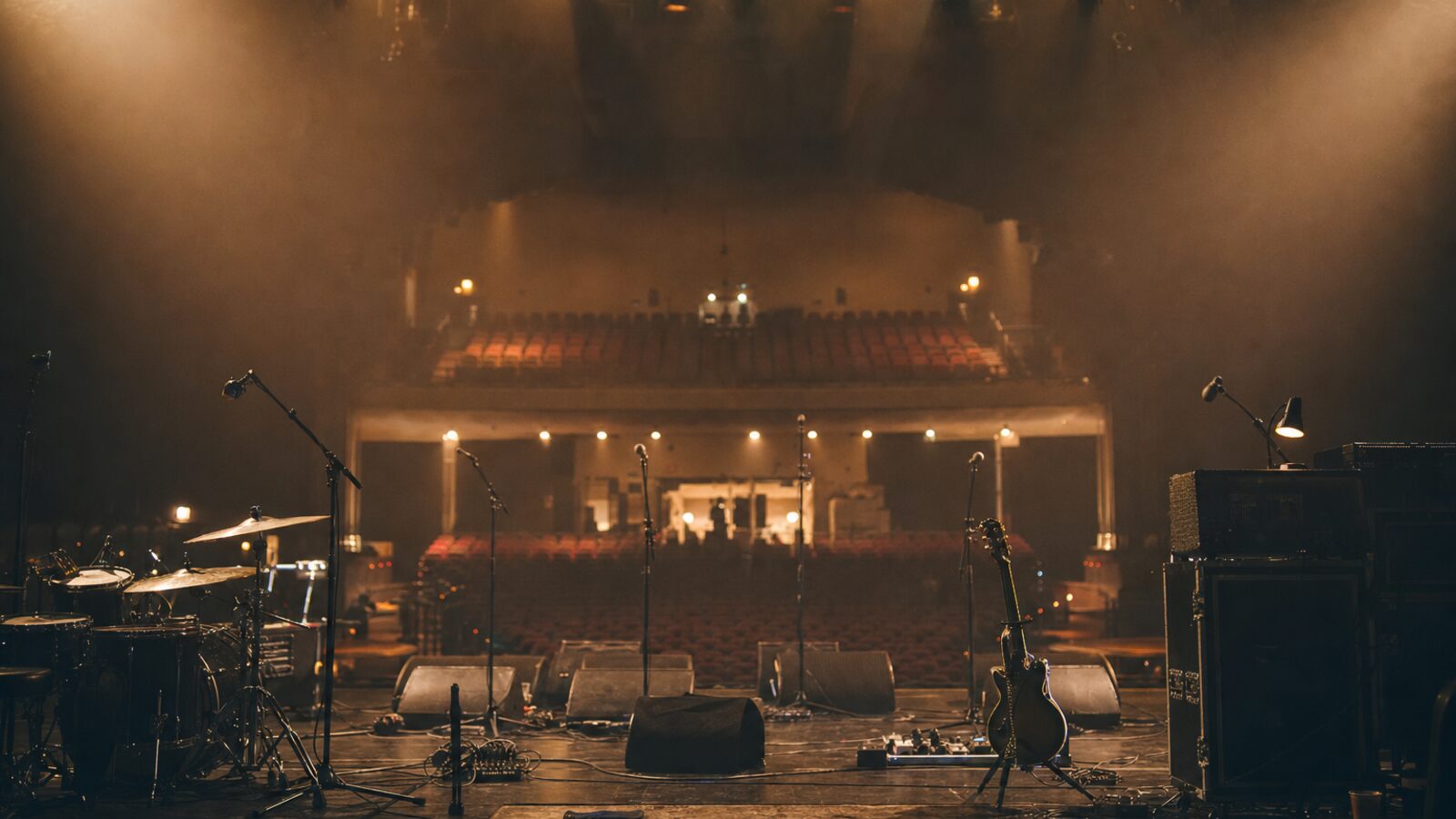
- Wing space and where the backline can be staged
- Ceiling or grid height
- Rigging points: the venue's rigging plot, weight limits and who can hang points. Ask for the venue's own documents, not a summary passed along by someone else.
- Barricade, risers, drape and masking
Audio, lighting and video
- House PA and console, if you're not carrying your own
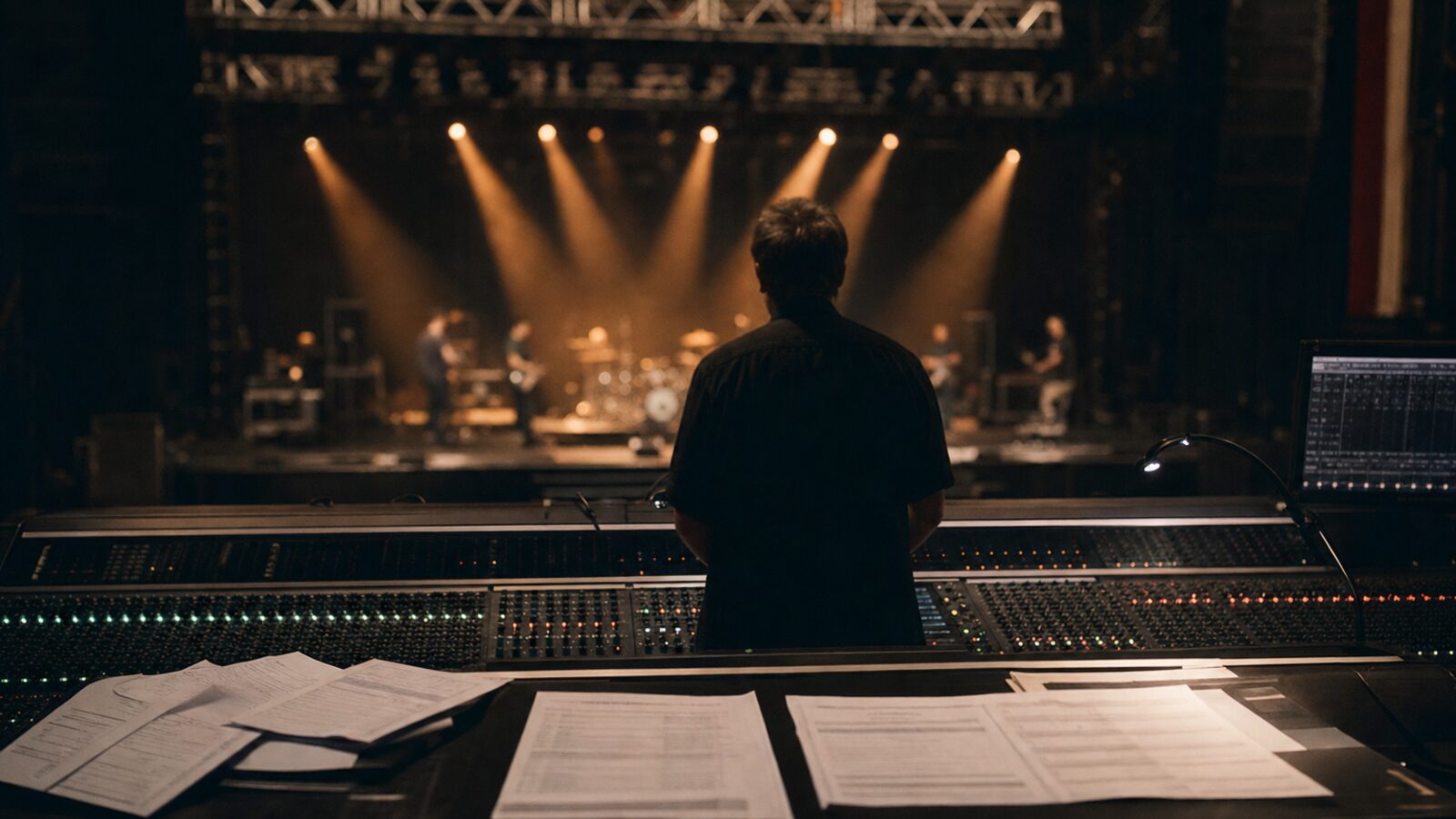
- FOH position: where it is, its size, and the cable run to the stage
- Monitor world location
- House lighting rig and any restrictions
- Video screens, projectors or house cameras
- Whether you're carrying gear, using house gear, or a mix
Send your stage plot and input list with the advance, so the venue can match its gear and crew to your setup. Our guide to the stage plot and input list covers what those should include.
Local crew
- Number of stagehands, loaders, riggers and specialists (spot operators, forklift drivers)
- Call times for load-in, show call and load-out
- Meal and break rules, including any union requirements
- Minimum call lengths and overtime rules
- Who supervises the local crew
Hospitality and dressing rooms
- Confirmation that the hospitality rider was received and who's fulfilling it
- Catering times and location, and any dietary needs
- Buyout arrangements: cash in place of a meal, if catering isn't provided
- Dressing rooms: number, size, location, showers, towels
- Production office location, Wi-Fi details and printer access
- Laundry, if needed
If you need a refresher on the two kinds of rider, see technical rider vs hospitality rider.
Guest list, tickets and passes
- Guest list allocation and deadline
- How guests collect tickets and passes
- Credentials for the touring party and local crew
- Photo and press policy
Merch
- Who sells: the tour's own merch seller, or venue staff
- The venue's merch fee or percentage, if any
- Location of the merch stand and setup time
- Count-in and count-out process
Money and settlement
- Deal terms as confirmed in the contract
- Who will settle with the tour manager, and when
- Expected deductions and the documentation the promoter will provide
- Payment method
Travel and accommodation
- Hotel details and distance to the venue
- Ground transport arrangements, if the promoter is providing them
- Airport transfers on fly dates
Safety and local information
- Nearest hospital or urgent care
- Venue evacuation procedures and any required briefings
- Local regulations that affect the show, such as pyrotechnics, haze or noise limits. These vary by territory and venue, so check directly with the venue rather than assuming.
How to run the advance well
A few habits make the process faster and more reliable:
- Send a clear advance sheet. A structured document with every question gets better answers than a long, rambling email.
- Read the venue's tech pack first. Many venues publish their specs. Reading it before you write saves the venue answering questions it has already answered.
- Ask the specific question. "Is there enough power?" gets a vague answer. Asking for the service size and its location gets a useful one.
- Get it in writing. Phone calls are useful for sorting things out, but follow up with an email confirming what was agreed.
- Flag problems early. If the stage is too small or the dock won't take your truck, the sooner everyone knows, the more options you have.
- Track what's still open. Keep a short list of unanswered items per show and chase them down.
- Reconfirm the critical items. Times, crew calls and contacts change. Check them again close to the date.
Keep the advance with the show
The worst place for advance information is spread across an inbox, a group chat and a notebook. On show day, at an early load-in, nobody wants to search for the email with the dock instructions.
Keep everything attached to the show itself: contacts, times, specs, open questions and notes. Whether that's a shared spreadsheet, a folder per show, or a touring app like Conductour that ties each show's details to the itinerary and day sheet, the principle is the same. Your future self, standing at a loading dock early in the morning, will thank you.
Frequently asked questions
What does advancing a show mean? +
Advancing means contacting the venue and promoter before a show to confirm every practical detail: schedule, production specs, power, crew, hospitality, parking and contacts. The goal is to arrive with no surprises.
How far in advance should you advance a show? +
Many tours start the advance a few weeks out, with the technical questions first, then follow up closer to the date and reconfirm a day or two before. Larger productions often start earlier because of rigging, power and crew calls. The right timing depends on the size of the show and how busy the venue is.
Who advances the show, the tour manager or the production manager? +
It's often split. The production manager usually advances the technical side (power, rigging, staging, local crew), while the tour manager handles the schedule, hospitality, hotels, guest list and settlement details. On small tours one person does both.
What is an advance sheet? +
An advance sheet is a form or document listing all the questions a tour needs answered about a venue, sent to the venue or promoter to fill in. Many venues also send their own technical pack, which answers many of the same questions.
Run your next tour on Conductour
Itineraries, show cues, travel, and crew — one timeline the whole team can trust.
Start for free