Touring Internationally: Work Permits, Visas, ATA Carnets and Tax
Touring internationally means dealing with three kinds of paperwork on top of the usual planning: permission for the people to work (visas and work permits), permission for the gear to cross borders (usually an ATA carnet), and the tax rules that apply to fees earned abroad (often withholding tax). Each country sets its own rules, they depend on your nationality and the type of engagement, and they change, so the right approach is to understand the concepts, check official government sources for every country on the routing, and work with specialists who do this every day.
This guide explains those concepts so you know what questions to ask. It isn't legal, immigration or tax advice, and it deliberately doesn't quote fees, processing times or specific rules, because those change and depend on your situation.
Start early and map the paperwork to the routing
The single most useful thing you can do is start early. Paperwork for an international run often depends on things that come late in the process, such as signed contracts, final crew lists and confirmed dates, and some applications take a long time to process.
As soon as international dates are on hold, build a simple map:
| For each country | What to find out |
|---|---|
| People | Does the artist need a visa or work permit? Does the crew? Does it depend on nationality? |
| Gear | Does the country accept ATA carnets? Any restricted items? |
| Money | Is there withholding tax on performance fees? Is there a tax treaty with your home country? |
| Merch | How will goods for sale be imported, and what taxes apply? |
| Practicalities | Passport validity requirements, health insurance, power and plug types, local currency |
Fill it in from official sources and from your specialists, and note the date you checked. Then plan the routing with that information in hand; a country with a long permit process might need to move later in the tour. For the wider planning process, see how to plan a concert tour and routing tours and planning travel days.
Work permits and visas for artists and crew
In many countries, performing for money counts as work, which means foreign artists and their crew may need a work permit or a specific type of visa to perform legally. A visa is permission to enter a country for a particular purpose; a work permit (or work authorization) is permission to do paid work there. Some countries combine the two, some treat them separately.
What usually affects whether you need one:
- Your nationality. Agreements between countries can change what's required, so two people on the same bus may have different requirements.
- The type of engagement. A paid show, a festival, a showcase, a promotional appearance and recording sessions can all be treated differently.
- Whether you're paid and who pays you.
- The length of stay and how many engagements you'll do.
- Your role. Some systems have categories for performers and for their essential support staff. Crew are not automatically covered by the artist's permit.
For example, the United States has dedicated visa categories for performers and their essential support personnel, and these generally require a petition approved in advance, before anyone applies at a consulate. Other countries have their own systems, some with exemptions or simpler routes for short engagements. The details vary and change, so don't rely on what another band did last year.
Practical habits
- Check the official immigration website of each country, not forums or old blog posts.
- Work with an immigration lawyer or a visa service that specializes in entertainment. They know which category fits and what evidence is needed.
- Collect documents early: passport scans, contracts, itineraries, evidence of the artist's career, and anything else the specialist asks for.
- Check passports. Many countries require a passport to be valid for some period beyond your stay and to have blank pages. Check each traveler's passport months ahead.
- Ask about criminal records. Past convictions can affect entry to some countries. Encourage people to raise it privately with the specialist early, not at the border.
- Carry copies of approvals, contracts and invitation letters while traveling, and know who to call if there's a problem at immigration.
ATA carnets: moving gear across borders
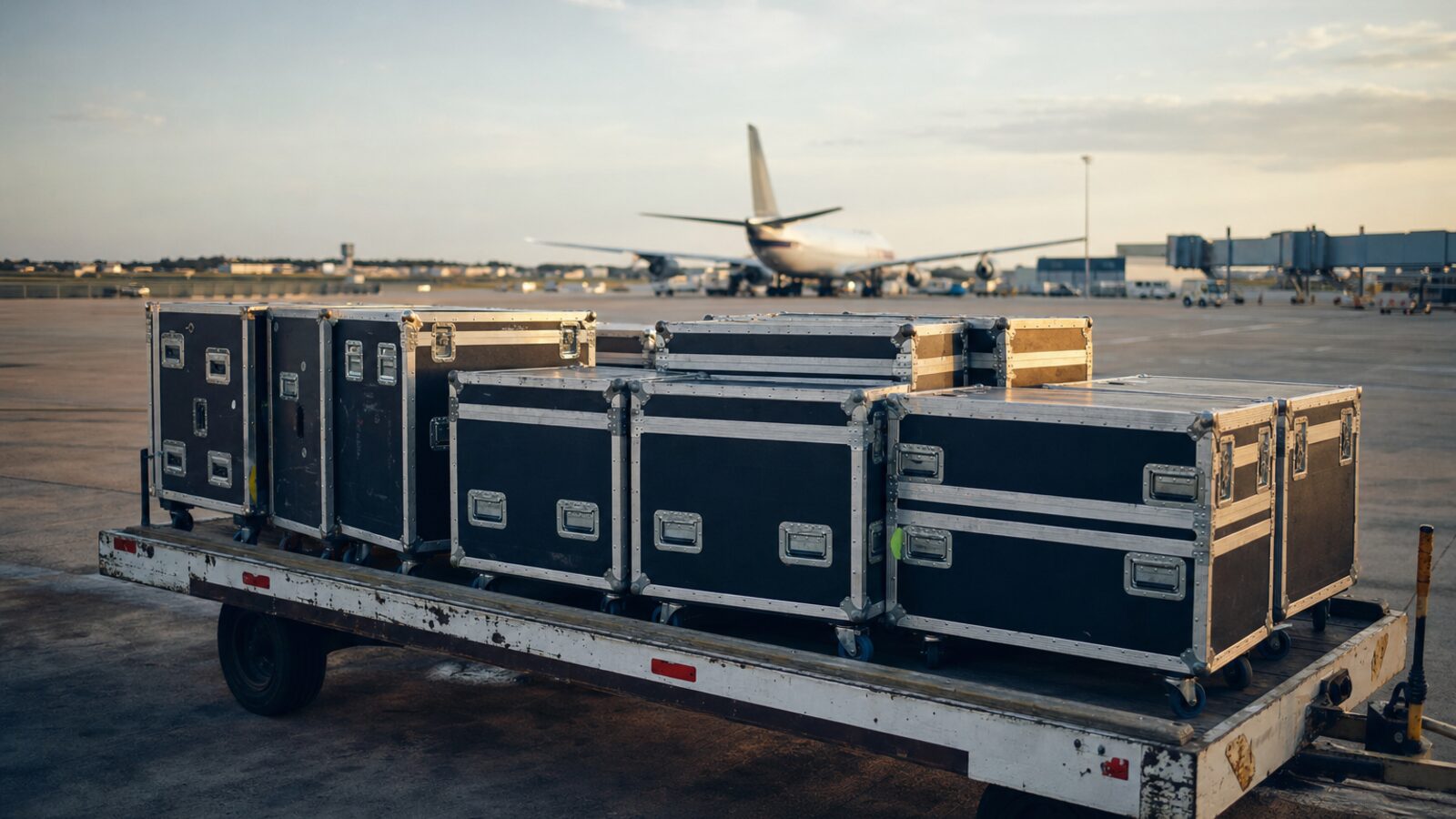
When you take professional equipment into another country, customs may treat it as an import and charge duties or taxes, even though you're bringing it home afterwards. An ATA carnet is the standard way around this in countries that participate in the ATA system. People often call it a "passport for goods."
How a carnet generally works:
- It's issued in your home country by an authorized organization, usually connected to the national chamber of commerce.
- You list every item you're taking, typically with description, quantity, weight, value and country of origin, and usually serial numbers. That's the general list.
- The issuer usually requires a security (such as a deposit or bond) in case goods aren't re-exported, plus a fee. Ask your issuer for their current terms.
- At each border, customs checks the gear against the list and stamps the carnet when you enter and leave. Those stamps are proof the gear left again.
- Carnets have a limited validity period, so check the expiry against your tour dates.
Things that commonly go wrong:
- Missed stamps. If a border crossing isn't recorded, you may face a claim later. Make sure the carnet is stamped every time, on the way in and out.
- Gear that doesn't match the list. Added items, swapped instruments or missing serial numbers cause delays. Update the carnet before you travel if the kit changes.
- Countries that don't take carnets. Not every country participates, and some have exceptions. Check the route with your issuer.
- Using a carnet for goods you'll sell or give away. Carnets are for temporary imports, not merch or consumables.
Plan time at borders and airports for customs checks, and keep the carnet with the person responsible for it, never packed in a case that goes into the hold.
Restricted materials in instruments
Some instruments contain materials covered by international wildlife trade rules (CITES), such as certain woods, shell or ivory. Moving them across borders may require additional permits, separate from the carnet. If you're touring with vintage or high-end instruments, ask the relevant authority or a specialist well in advance.
Merch and other goods for sale
Merch is not temporary equipment. You plan to sell it, so it usually goes through normal customs import, where duties and taxes such as VAT may apply. Options include shipping stock ahead through a freight forwarder or customs broker, or producing merch locally. Sales may also have local tax obligations. For how merch works day to day, see merch on tour.
Withholding tax and getting paid abroad
Many countries apply a withholding tax to performance fees paid to foreign artists. The promoter holds back part of the fee and pays it to the local tax authority on your behalf. If no one has planned for it, the artist's fee on settlement night can be smaller than expected.
Key ideas to understand:
- Rates and rules differ by country, and sometimes by type of income.
- Tax treaties between your home country and the country you're performing in may reduce withholding or let you claim credit for it at home. Some countries let you apply in advance for a reduced rate, which usually needs to be done before the show.
- Proof matters. Get documentation of any tax withheld so your accountant can claim credit where possible.
- Crew pay abroad raises its own questions about tax and social security. Ask an accountant.
- Contracts should be clear about whether fees are quoted before or after withholding and local taxes.
Build the possibility of withholding into the numbers early; how to build a tour budget covers the wider planning. Most importantly, involve an accountant who understands international touring before the deals are signed, not after the money arrives short.
Practical travel details
Beyond the big three, international tours have plenty of smaller details to sort out:
- Health and travel insurance that actually covers working abroad, and equipment insurance that covers the territories you're visiting.
- Power and plugs. Voltage and plug types differ. Check every piece of gear that plugs into the wall.
- Batteries. Airlines have rules about lithium batteries in checked and carry-on bags. Check your airline's current policy.
- Phones and data. Plan for roaming or local SIM cards so the crew can be reached.
- Money. Local currency for per diems, card fees and exchange rates.
- Time zones. Long travel days and time zone shifts affect call times and rest. Show times should always be written in local time.
Who to work with
Nobody expects a tour manager to be an expert in every country's immigration and tax law. The skill is knowing who to ask:
- Immigration lawyer or entertainment visa service for work permits and visas.
- Carnet issuer (usually via the chamber of commerce) for ATA carnets.
- Customs broker or freight forwarder for merch, freight and anything that doesn't go on a carnet.
- Accountant with international touring experience for withholding tax, treaties and crew pay.
- The local promoter, who often knows what foreign artists usually need, though their advice doesn't replace official sources.
- Official government websites for every country on the routing, checked close to the time you travel.
Keep everything in one place: the paperwork map, document copies, deadlines and who's responsible for what. Tools like Conductour keep the itinerary, travel and crew details in one place, which helps when every country on the run has its own requirements.
Rules change, and the right answer depends on your nationality, the countries you're visiting and the type of engagement. Start early, check official sources, and lean on the specialists.
Frequently asked questions
Do musicians need a work permit to play a show abroad? +
Often, yes. Many countries treat a paid performance as work and require a visa or work permit for the artist and crew, though some have exemptions or simpler routes for short engagements. The rules depend on the country, your nationality, the type of engagement and whether you're paid, and they change. Check the official government immigration website for each country and consider an immigration specialist.
What is an ATA carnet? +
An ATA carnet is an international customs document that lets you temporarily take professional equipment, such as instruments and production gear, into participating countries without paying import duties and taxes, as long as you bring it all back out. It's issued by an authorized body in your home country, usually linked to the national chamber of commerce. Not every country participates, so check before you route a tour.
Can I use an ATA carnet for merch? +
Generally no. Carnets are for goods that are temporarily imported and then taken back out, not goods you plan to sell or give away. Merch usually has to go through normal customs import, where duties or taxes may apply. Ask your carnet issuer or a customs broker how to handle it for your route.
What is withholding tax for touring artists? +
Some countries require the promoter to hold back part of a foreign performer's fee and pay it to the local tax authority. Depending on tax treaties and your home country's rules, you may be able to reduce it in advance or claim a credit at home. Work with an accountant who understands international touring before you sign the deals.
How far in advance should I start planning an international tour's paperwork? +
As early as you can, ideally as soon as the dates are pencilled in. Visa and work permit applications can take a long time and some can only be filed once contracts exist. Check current processing times on official government sources rather than relying on what worked for another band.
Run your next tour on Conductour
Itineraries, show cues, travel, and crew — one timeline the whole team can trust.
Start for free