Staying Healthy on Tour: A Practical Guide for Bands and Crew
Staying healthy on tour comes down to protecting a few basics that the schedule constantly attacks: sleep, decent food and water, your ears and voice, your body when lifting and traveling, and your mental health. Nobody does all of it perfectly, but small habits repeated every day make a long run of shows far easier to get through. When something goes beyond everyday tiredness, see a doctor or the right professional rather than waiting for the tour to end.
This guide is practical, not medical. It covers what experienced artists and crew tend to do day to day. For anything specific to your health, including medications, existing conditions or symptoms that worry you, talk to a qualified professional.
Why touring is hard on your body and mind
A tour stacks up stresses that most jobs spread out. Days are long and irregular. You might load in at 8am, finish load-out after midnight and drive overnight. Meals come from catering, gas stations and whatever is open after the show. You're in close quarters with the same people for weeks, often without a private space. Time zones shift. Adrenaline peaks every night and then drops.
None of that is unusual, and plenty of people tour for decades. The ones who last usually treat their health as part of the job rather than something to sort out at home. Reading the day sheet the night before, so you know when you can eat, rest or get some air, is a good place to start.
Sleep: the foundation everything else rests on
Sleep is the first thing touring takes from you and the thing that affects everything else: mood, immune system, voice, focus and the likelihood of a mistake on a ladder or a truck ramp.
Making the bunk work
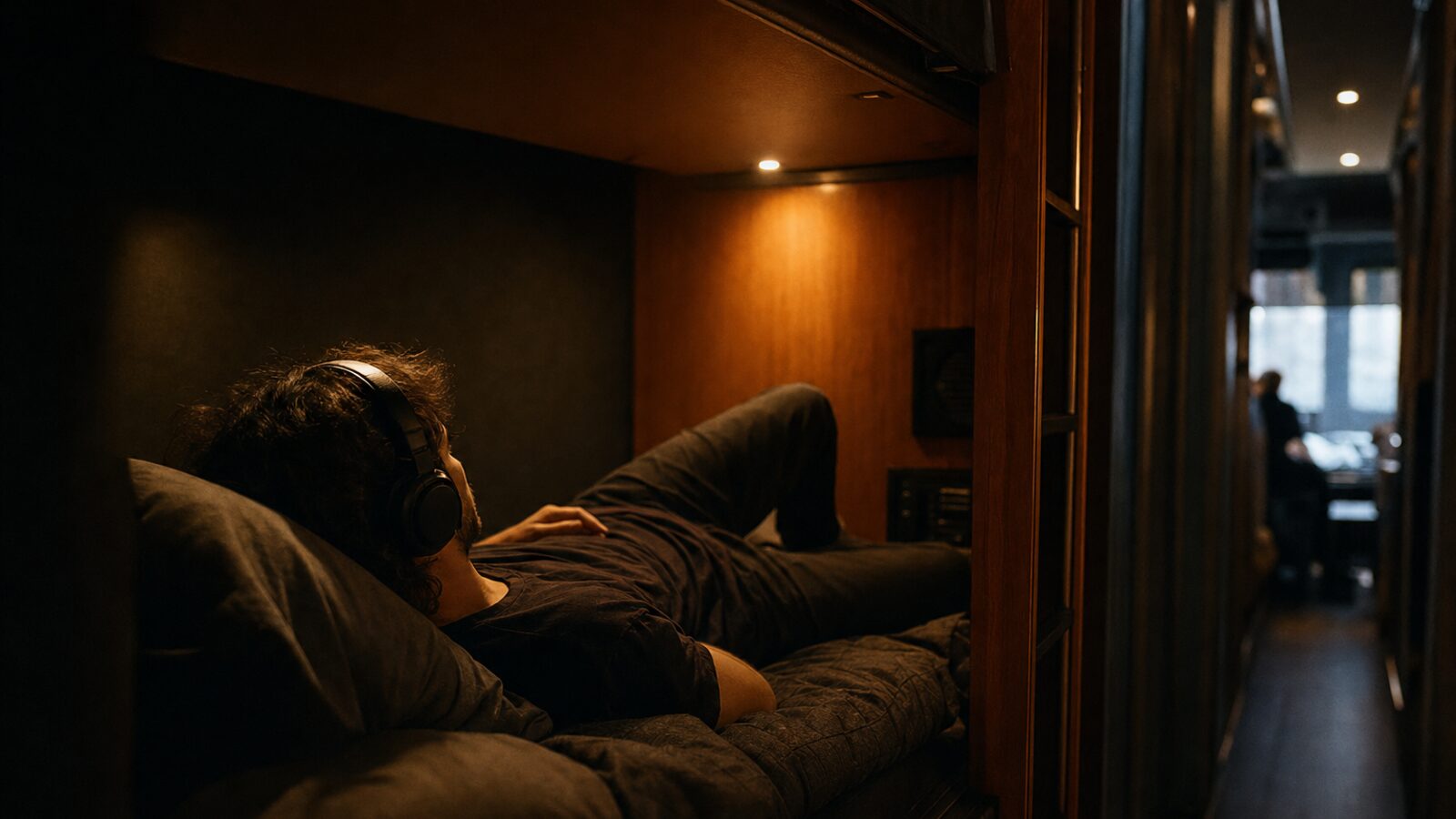
On a bus, the overnight drive is usually your main sleep window. A few habits help:
- Block light and noise. An eye mask plus earplugs or noise-cancelling headphones make a bunk feel very different.
- Have a wind-down routine. Even a short, consistent one (shower, change, phone down, same playlist or podcast) tells your body it's time to sleep, whatever time that is.
- Respect the bunk area. Most buses run a quiet rule in the bunks. Socializing happens in the front or back lounge.
- Get out of the bunk in the morning. Daylight and a short walk soon after you wake up help keep your body clock anchored.
Naps, caffeine and the post-show crash
A short afternoon nap between soundcheck and doors can rescue a day. Keep it brief so you're not groggy for the show. Be careful with caffeine late in the day, since it can make it harder to sleep after load-out. After the show, the adrenaline takes a while to fade. Many people find a light snack, a shower and a bit of quiet time works better than heading straight into the bunk wired.
Jet lag and fly dates
When the tour crosses time zones, try to shift your sleep toward the new zone a day or two before you travel, get daylight at the right local time when you land, and avoid long naps on arrival day. Good routing helps too: an off day or a lighter day after a long flight gives everyone a chance to adjust. If you have trouble sleeping that doesn't settle, or you're considering sleep aids, talk to a doctor or pharmacist first.
Food and water on a touring schedule
Catering at a good venue can be excellent. The problem is the gaps between it: travel days, late nights and early calls where the only option is whatever's open.
- Eat when the schedule lets you, not when you're starving. If dinner is at 5:30pm and you're on stage at 10pm, plan for a small meal or snack later.
- Keep a stash. Nuts, fruit, oatcakes, protein bars or whatever works for you, kept in your bunk or backpack, saves you from relying on vending machines.
- Use the rider. The hospitality rider is there for this. Fresh fruit, vegetables, water and a few healthy staples are reasonable requests, and they tend to get used.
- Carry a refillable bottle. Venues, buses and dressing rooms are warm and dry. Steady water through the day is easier than catching up later.
- Allergies and dietary needs. Make sure the tour manager has them in writing so they go into the advance. Don't assume a venue knows.
Alcohol is part of the culture on many tours, and nobody's here to lecture. It's worth being honest with yourself, though: it disrupts sleep, dries out voices and makes early calls harder. Plenty of people set their own rules, like nothing before the show or nothing on the night before a travel day. Many tours now have alcohol-free options on the rider as standard, and nobody should feel pressured to drink.
Protecting your ears and voice
Your ears and voice are working tools. Damage to either can end a career, so they deserve more care than most things on this list.
Hearing
Loud stages, loud clubs and loud bus speakers all add up. Hearing damage from noise is generally permanent, and tinnitus (ringing in the ears) can follow.
- Get custom molded earplugs or in-ear monitors fitted by an audiologist if you're touring regularly. They reduce volume more evenly than foam plugs, so music still sounds like music.
- Keep foam plugs in every bag, jacket and workbox for everything else: support acts, loud bars, generators.
- Monitor engineers and FOH (front of house) engineers can help by keeping stage and in-ear levels sensible. It's a reasonable conversation to have.
- Get your hearing checked by an audiologist periodically, so you have a baseline and can spot changes.
Voice
Singers aren't the only ones who need to look after their voice. Crew shout over noise all day, and anyone talking for hours in dry air ends up hoarse.
- Warm up before shows and cool down afterward if you sing.
- Avoid shouting over loud rooms after the show, and don't whisper as a substitute; it can strain the voice too.
- Stay hydrated and keep the air in dressing rooms and bunks from getting too dry where you can.
- If your voice is hoarse for more than a short while, hurts, or changes noticeably, see a doctor, ideally an ENT (ear, nose and throat specialist) or voice specialist. Many touring singers have one they trust at home and ask the promoter or venue for recommendations on the road.
Looking after your body: lifting, posture and movement
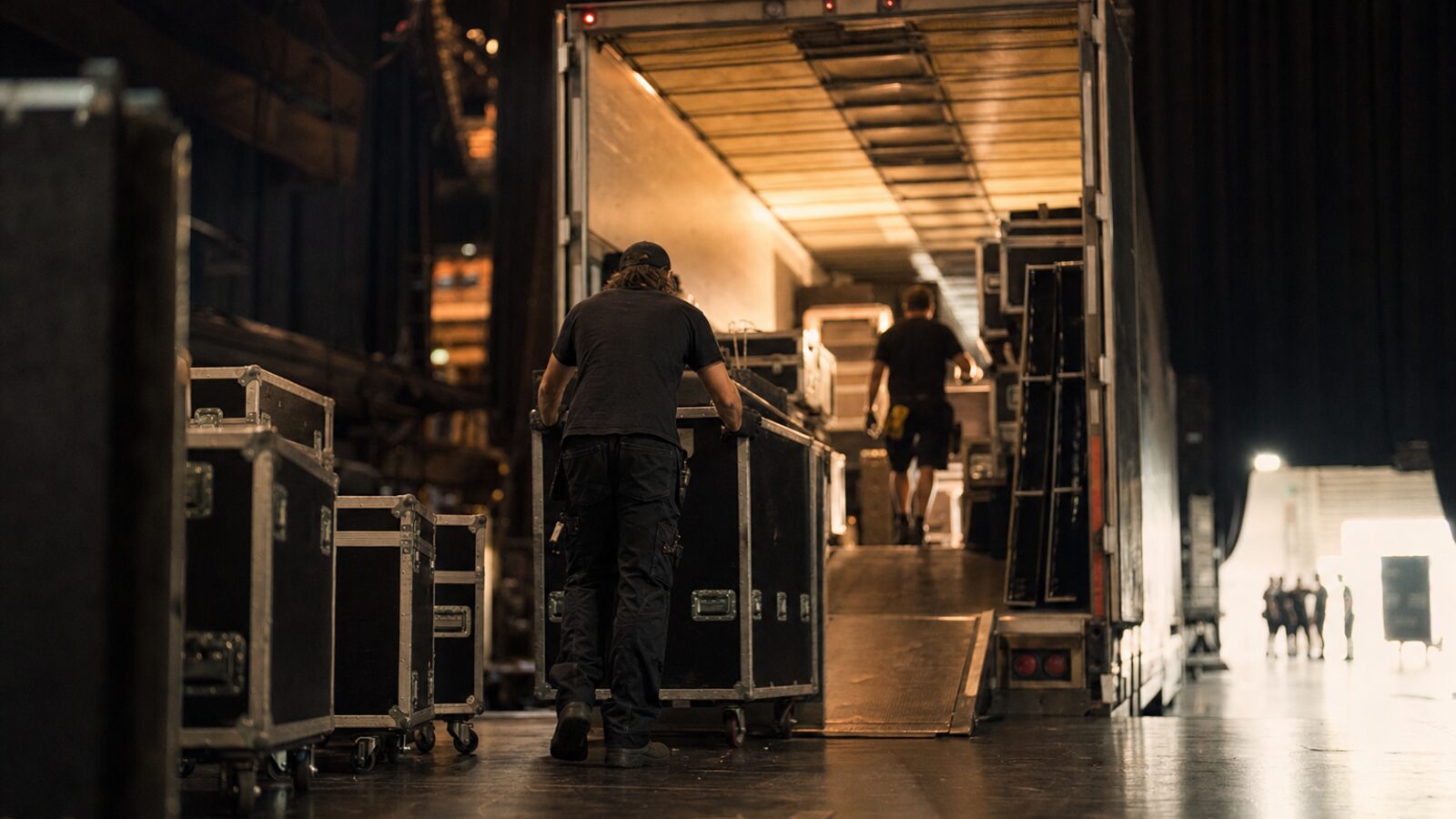
For crew in particular, the job is physical. Cases are heavy, ramps are steep, and load-outs happen when everyone is tired.
- Lift with good technique and use the gear meant for the job: dollies, ramps, lift gates, the house crew. Ask for help with anything awkward.
- Wear proper footwear and gloves. Steel or composite toes for load-ins are standard on many crews.
- Pace yourself on load-out. Most injuries happen when people rush at the end of a long day.
- Move on travel days. Hours in a van or bus seat stiffen everyone. A walk at every stop and a few stretches go a long way.
- Do something regular. A resistance band, a skipping rope or a running habit packs small. Some tours find a gym near the hotel on off days.
If an injury doesn't settle in a day or two, or you've had a fall or a blow to the head, get it checked by a doctor. Pushing through a back injury for three more weeks of load-outs usually makes it worse.
Avoiding the tour bug
When one person on a bus gets a cold, there's a good chance others will too. You can't prevent every illness, but you can reduce the spread:
- Wash or sanitize hands often, especially before eating and after meet-and-greets.
- Don't share bottles, cups, vapes or microphones where it can be avoided.
- If you're ill, tell the tour manager early. They may be able to reshuffle bunks, rooms or duties to give you space.
- Carry a basic first-aid and over-the-counter kit, and ask a pharmacist what's suitable for you.
For prescription medication, carry enough for the whole tour plus some extra, keep it in its original packaging with a copy of the prescription, and check the rules before crossing borders, since what's allowed varies by country and changes over time. Before touring abroad, make sure you understand what health coverage or travel insurance you have and how to use it in each country.
Mental health and wellbeing on the road
The mental side of touring gets talked about more openly than it used to, and that's a good thing. Loneliness, homesickness, anxiety, the post-show low and burnout are common, including among people who love the work.
Habits that help
- Find some time alone. Even a 20-minute walk by yourself before soundcheck can reset your head when you've been in a shared space all day.
- Keep in touch with home in a way that works across time zones: a scheduled call, voice notes, photos.
- Use off days well. Rest counts as a good use of an off day. You don't have to sightsee.
- Notice the post-tour drop. Many people feel flat or restless when they get home. Expecting it makes it easier to handle.
When to get support
If low mood, anxiety, panic, or drinking and drug use are affecting your work or your life, talk to someone: a doctor, a therapist or counselor, or a support service. Many therapists work by video, which fits a touring life well, and some music industry organizations and unions offer support services for musicians and crew. If you're ever in crisis or worried about your safety, contact local emergency services.
What tour managers and leaders can do
People are more likely to look after themselves if the tour makes it possible:
- Build realistic schedules with genuine rest, and avoid back-to-back early calls after late load-outs where you can.
- Put sleep, meal breaks and travel times clearly in the itinerary so people can plan around them.
- Make it normal to say "I'm not okay" without it costing someone their job.
- Know where the nearest urgent care or hospital is on show days. It can go in the advance alongside everything else (see the advancing checklist).
A simple daily health checklist
Not every day will go to plan, but a short checklist you run each morning keeps the basics in view:
| Habit | What it looks like on a show day |
|---|---|
| Sleep | Protected overnight window, short nap if there's a gap |
| Food | At least one proper meal, snacks for the late night |
| Water | Bottle filled in the morning and refilled through the day |
| Ears | Plugs or in-ears in for every loud moment |
| Voice | Warm-up before, no shouting after |
| Body | Safe lifting, a walk or stretch |
| Head | Some time alone, a check-in with home |
When the day sheet, travel times and call times are easy to find, it's simpler to plan meals and rest around them. Tools like Conductour put the itinerary and each day's schedule on everyone's phone, so people can see where the gaps are. The habits themselves are still up to you. Small, consistent choices are what get people through a long tour.
Frequently asked questions
How do musicians sleep on a tour bus? +
Most people get used to bunk sleep with a few basics: earplugs or noise-cancelling headphones, an eye mask, a consistent wind-down routine and keeping the front lounge for socializing. Treat the overnight drive as your main sleep window and protect it, then top up with a short nap in the afternoon if the schedule allows.
How do you avoid getting sick on tour? +
You can't avoid every bug, but you can cut the odds: wash or sanitize hands often, don't share bottles or cups, sleep as much as the schedule allows and eat real food. If someone does get ill, give them space on the bus where you can and have them see a doctor or pharmacist early rather than pushing through.
Should touring musicians wear earplugs? +
Yes. Repeated exposure to loud stages and venues can damage hearing over time, and the damage is generally permanent. Many musicians and crew get custom molded musician's earplugs or in-ear monitors fitted by an audiologist, and keep foam plugs on them for everything else.
What should I do if my voice goes on tour? +
Rest it as much as you can, stop whispering and shouting, and get it looked at by a doctor quickly, ideally an ENT or voice specialist if one is available in the city. The tour manager can help find one through the promoter or venue. Decisions about canceling or modifying shows should follow that medical advice.
Run your next tour on Conductour
Itineraries, show cues, travel, and crew — one timeline the whole team can trust.
Start for free