Technical Rider vs. Hospitality Rider: What Goes in Each
A technical rider lists everything the show needs to happen: stage size, power, PA and monitors, lighting, backline, the input list and stage plot, and the crew and timing requirements. A hospitality rider lists what the people need offstage: dressing rooms, catering, drinks, towels, guest list, parking and similar comforts. Both are typically attached to the performance contract, but they are read by different people at the venue and should be written and sent as separate, clearly labeled documents.
In short: the tech rider is for the production team, and the hospitality rider is for the promoter rep, runner and catering. Mixing them together is one of the most common reasons riders get skimmed rather than read.
What a rider is and how it fits the deal
A rider is an addendum to the performance contract that sets out the artist's requirements beyond the basic terms (date, fee, set length). The booking agent sends the contract and rider to the promoter, who signs it, sometimes striking or changing items they will not provide.
The rider then becomes the starting point for the advance, the conversations between the tour's team and the venue in the weeks before the show to confirm every detail. A rider says what you would like; the advance confirms what you will actually get. Our advancing shows checklist covers that process step by step.
Two things are worth understanding early:
- Riders are negotiated. Promoters often push back on items, especially at smaller venues or on lower guarantees. Expect to compromise.
- Riders cost money. Hospitality and production provided by the promoter are usually counted as show expenses. On a percentage or versus deal, a lavish rider can reduce what the artist takes home at settlement.
The technical rider: what it covers
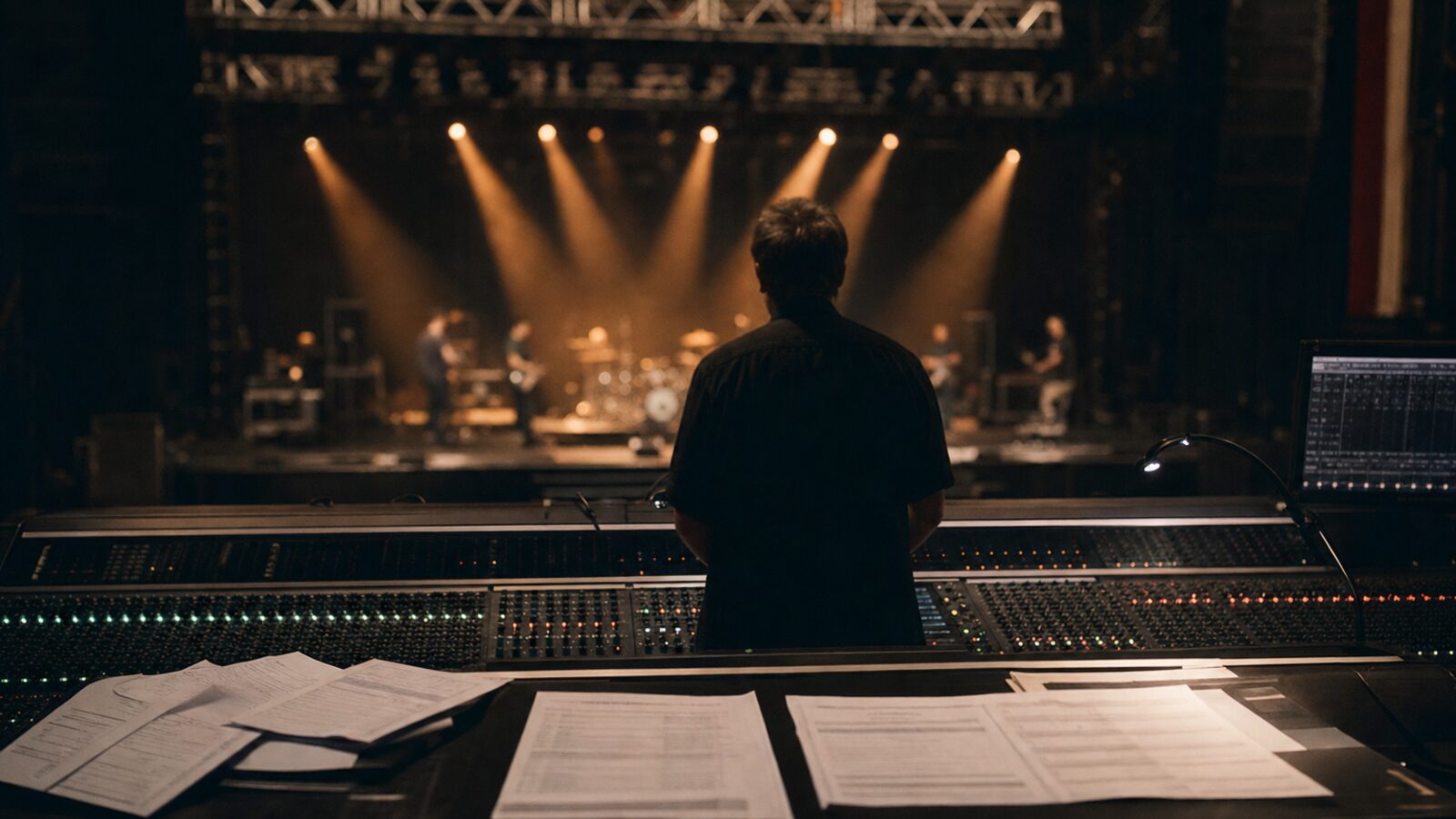
The technical rider is the production document. Its job is to let the venue's production manager and house crew see, before the day, whether they can host the show and what they need to bring in.
Typical sections
- Contacts. Production manager, FOH engineer, monitor engineer, lighting designer, with phone and email. Make clear who to call about what.
- Stage requirements. Minimum stage dimensions, risers (sizes and heights), clearance, wings, any rigging needs.
- Power. What you need, where, and on which circuits, especially if you carry lighting or video.
- PA and front of house. The type and coverage of PA system expected, FOH console preferences, and where the mix position should be. FOH (front of house) is the audio mix position in the audience area, and by extension the engineer who mixes the show there.
- Monitors. Number of mixes, wedges vs. in-ear monitors, whether you bring your own monitor console.
- Input list. Every channel on stage: what the source is, which mic or DI, and any stand needed.
- Stage plot. A diagram of where everything and everyone sits on stage. See our guide to the stage plot and input list for how to make both.
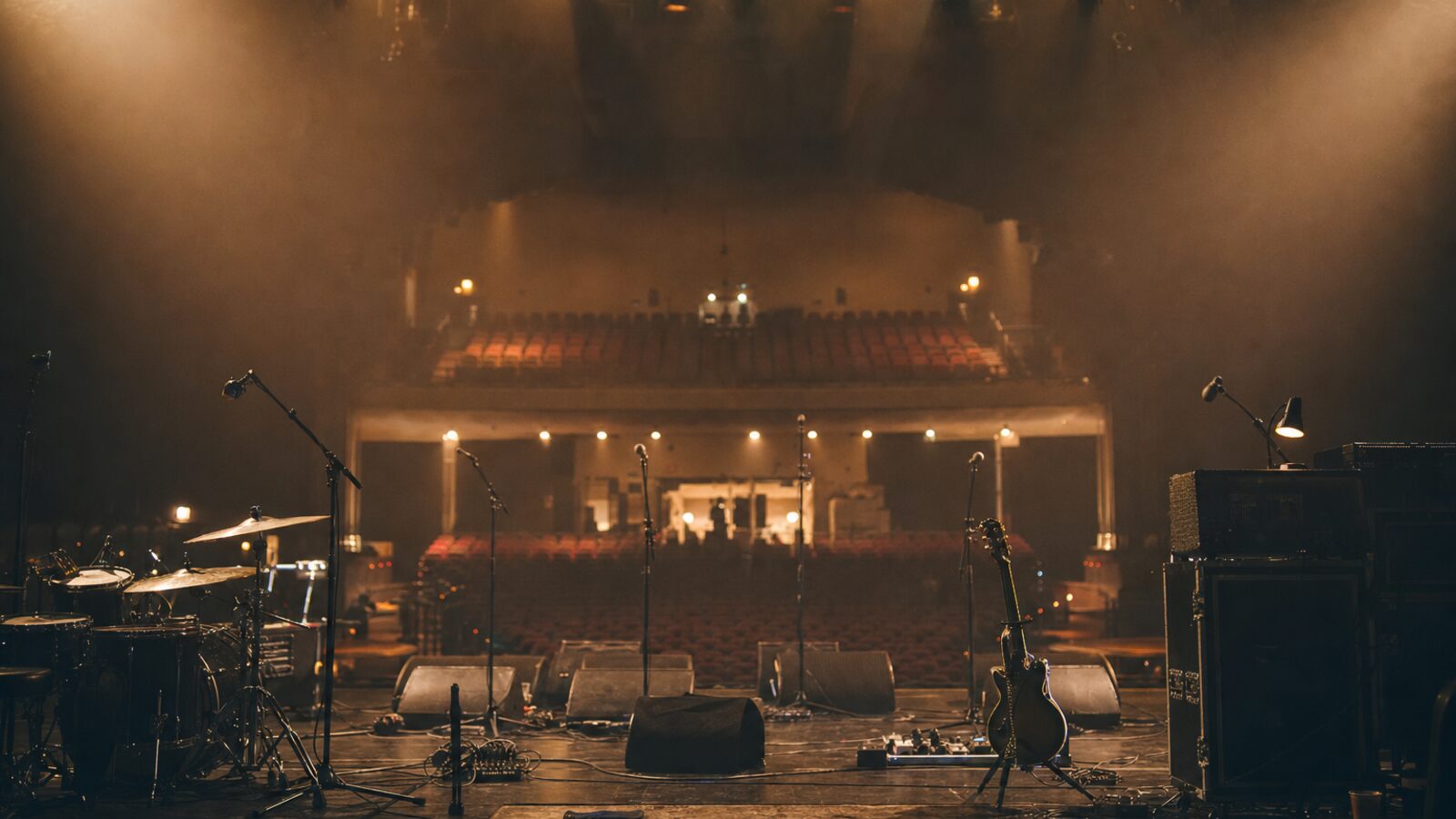
- Backline. Backline is the on-stage instrument gear: amps, drum kit, keyboards and stands. The rider should state what you carry and what you need the promoter to supply.
- Lighting and video. What you carry, what you need from the house, haze or other effects (which may need venue permission).
- Local crew. How many stagehands, loaders or riggers you need, and at what times.
- Schedule needs. Load-in time, minimum soundcheck length and changeover time.
- Production office and storage. A room with power and internet, space for road cases.
Write it for the tour you are actually doing
The best tech riders are short, current and specific. If you play 300-capacity clubs, a rider written for an arena run will be ignored or argued with. Many tours keep two or three versions (full production, reduced, festival) and send the right one for each date.
Mark clearly what is essential and what is preferred. If you cannot do the show without in-ear monitors and a particular number of inputs, say so. If you would like a certain console model but can work on others, say that too. Venues respond better to a rider that shows flexibility where it is genuinely possible.
The hospitality rider: what it covers
The hospitality rider is about looking after the touring party. It is usually handled by the promoter rep, the venue's hospitality coordinator or a runner.
Typical sections
- Dressing rooms. How many, for how many people, lockable, with mirrors, toilets and showers if possible.
- Catering. Meals for band and crew at set times, or a buyout: cash given in place of a provided meal so the touring party can buy their own.
- Dietary needs. Allergies, vegetarian, vegan, religious requirements. Allergies should be marked as a safety issue, not a preference.
- Drinks and snacks. Water, soft drinks, coffee and tea, and alcohol if requested and appropriate.
- Towels. Stage towels and shower towels, with numbers.
- Guest list. How many guest list spots and photo passes the artist expects, and the deadline for names.
- Parking. Space for the bus, van or trailer, and shore power if you travel by bus. Shore power is a mains power hookup so the bus does not need to run its generator.
- Security and access. Backstage access rules, credentials and any specific security needs.
- Laundry, internet and runners, if needed.
- Hotels and ground transport, if the promoter is providing them under the deal.
Keep it reasonable and clear
A hospitality rider does not need to be long. A clear list of meals, drinks, towels and dressing room needs, with times and quantities, will be followed far more reliably than three pages of brand names. If you have a genuine need, such as a specific drink for a singer's voice or a strict allergy, put it near the top and explain why it matters.
Side-by-side comparison
| Technical rider | Hospitality rider | |
|---|---|---|
| Purpose | Make the show happen | Look after the people |
| Usually written by | Production manager or FOH engineer | Tour manager or artist management |
| Read by | Venue production manager, house crew | Promoter rep, hospitality, runners |
| Main contents | Stage, power, audio, lighting, backline, input list, stage plot, local crew | Dressing rooms, catering, buyouts, drinks, towels, guest list, parking |
| Where flexibility lives | Gear models, layout details | Brands, quantities, menus |
| What is non-negotiable | Safety, power, minimum inputs | Allergies, health needs |
How riders get read (and why they get ignored)
Venue staff receive a lot of riders. The ones that get followed are easy to scan and believable.
- Use clear headings and page numbers. Staff often need to find one item quickly.
- Put the date and version on every page. Old riders circulate for years. A dated rider tells the venue which one is current.
- Separate the two documents. Your FOH engineer's PA requirements should not be on the same page as the snack list.
- Avoid joke clauses or padded demands. They make it harder to tell what actually matters.
The most famous rider story in rock is a useful lesson here. Van Halen's rider included a clause about removing brown M&Ms from the dressing room, and the band later explained it was a test: buried in a long technical rider, it showed at a glance whether the promoter had read the document closely, including the parts that affected safety. Whatever you think of the method, the point stands. Riders only work if people read them, so make yours readable.
Advancing the rider before the show
Sending the rider is the start, not the end. In the advance:
- Confirm the venue has received the current version.
- Go through the technical rider with the venue's production contact. Ask about any changes to the house system, stage size or power since you last played.
- Agree on substitutions. If the house cannot provide an item, decide together what replaces it, and write it down.
- Confirm the hospitality details with the promoter rep: meal times, buyouts, guest list deadline, parking.
- Update the day sheet with what has been agreed. Our guide to the anatomy of a show day shows where these details land in the schedule.
Many tour managers keep the rider, the advance notes and the confirmed details for each venue together, so anyone on the team can see what was promised. Tools like Conductour can keep each show's confirmed details alongside the itinerary and day sheets, which helps when the person who did the advance is not the person standing in the loading dock.
Keeping riders current
Riders go out of date quickly: the band changes a keyboard rig, a new crew member joins, someone develops an allergy. A few habits help:
- Review riders before each tour or leg, not just once a year.
- Assign an owner for each document: production for the tech rider, the tour manager for hospitality.
- Retire old versions and tell the agent which file to send.
- Note what actually happened. If a venue could not meet a requirement and the show was fine, maybe it was not a requirement after all.
A good rider tells the venue exactly what you need, in the order they need to know it, and nothing they will have to argue about for no reason.
Frequently asked questions
Is a rider legally binding? +
A rider is usually attached to the performance contract, and when it is, its terms generally form part of the agreement. In practice, riders are also negotiated during the advance, and the promoter may strike or amend items before signing. Whether a specific clause is enforceable depends on the contract and local law, so treat it as a contract document and get advice if a dispute arises.
Who writes the technical rider? +
Usually the production manager or the artist's FOH engineer writes the technical rider, often with input from the monitor engineer, lighting designer and backline techs. On smaller tours the tour manager or a band member may write it. Whoever writes it should be the person who can answer the venue's questions about it.
What is a hospitality rider? +
A hospitality rider lists what the artist and touring party need offstage: dressing rooms, catering, meals or buyouts, drinks, towels, guest list, parking and sometimes hotels or ground transport. It is about the people rather than the show. Venues and promoters treat it as a request to fulfill within the deal, and items are often negotiated.
Do small bands need a rider? +
Yes, even a one-page rider helps. A short technical section with a stage plot and input list, plus a few lines of hospitality needs, saves time at every venue. Keep it realistic for the size of rooms you play, because a rider that asks for far more than the venue can provide tends to get ignored.
Run your next tour on Conductour
Itineraries, show cues, travel, and crew — one timeline the whole team can trust.
Start for free